

Moving is more than just transporting items from one place to another, it’s a full-scale process that begins with packing up your life and ends with settling into a new space. Each step in between requires time, energy, and attention to detail. For many people, the physical and mental demands of a move can feel overwhelming.
That’s why the difference between a stressful move and a manageable one often comes down to how the hard parts are handled particularly packing and unpacking.

The Challenges of Packing
Packing may seem straightforward at first glance, but it’s actually one of the most time consuming and delicate parts of the moving process. Every item needs to be evaluated, organized, wrapped, boxed, and labeled. Fragile possessions require special care. Furniture might need to be disassembled. Essential items have to be set aside for immediate access. And everything has to be protected well enough to survive the journey.
The mental load can also be significant. Deciding what to keep, what to donate, and how to group belongings takes focus and planning. Plus, there’s always a deadline packing usually has to be completed before moving day, even if life is already busy.
Transporting with Care
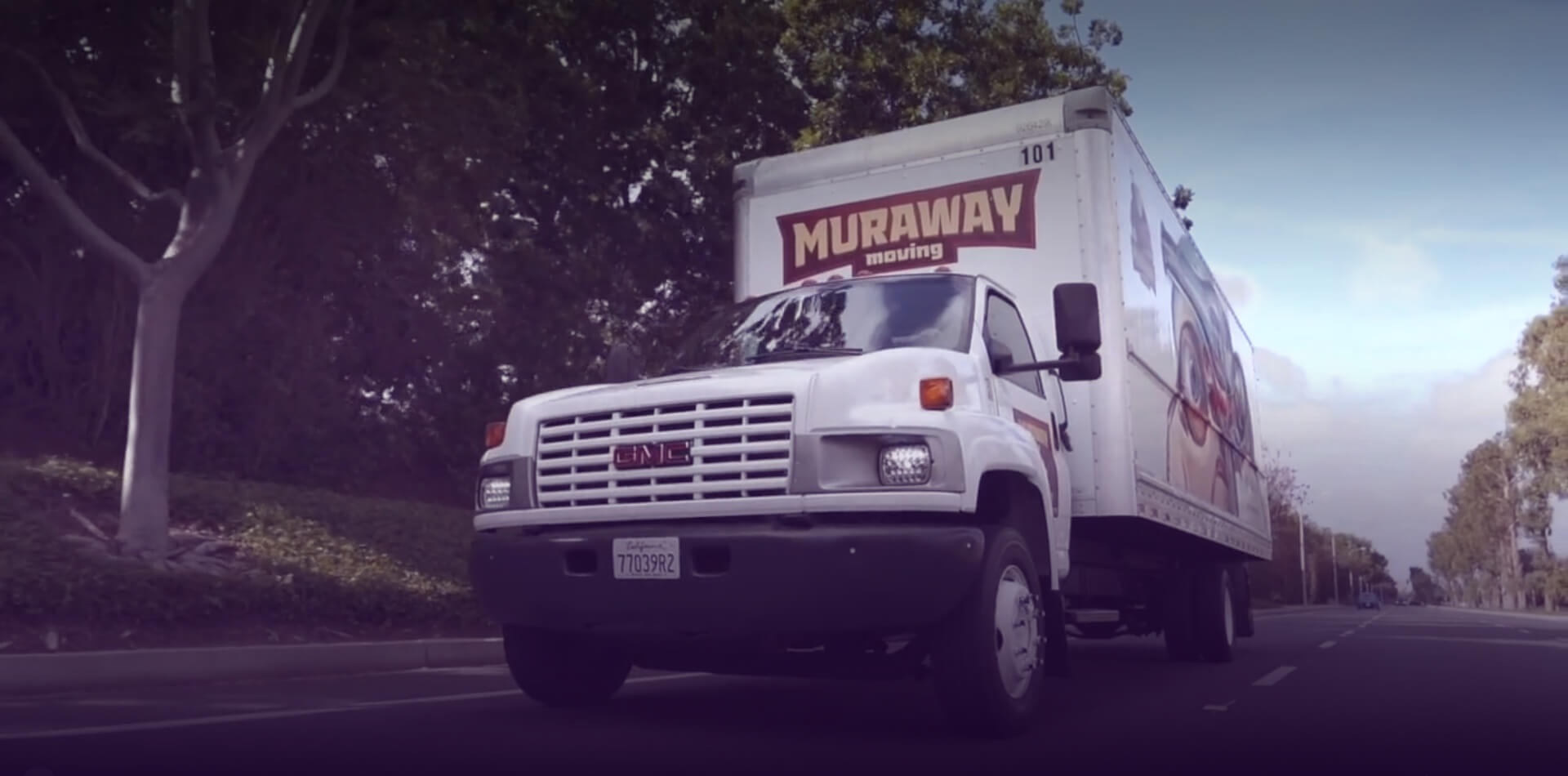
Once everything is boxed and ready, the next step is transporting your belongings. This stage often involves lifting heavy furniture, maneuvering large items through tight doorways or staircases, and loading a moving truck in a way that maximizes space while protecting everything inside.
This part of the move requires more than strength—it requires strategy and experience. Items need to be secured to prevent shifting in transit. Fragile goods must be isolated and cushioned. The right tools and techniques can make a big difference in ensuring nothing gets damaged during the drive.
Unpacking: A Fresh Start That Takes Effort
Unpacking may seem easier than packing, but it comes with its own challenges. After the fatigue of moving day, organizing a new space can feel like a daunting task. Boxes need to be opened, items sorted, furniture reassembled, and essentials found quickly. If packing was rushed or not clearly labeled, unpacking can take much longer than expected.
There’s also the emotional aspect of settling into a new environment. Finding the right place for everything and feeling “at home” takes time, and having support through this final stage can make the adjustment far smoother.
Moving Is a Process, Not Just a Day
From start to finish, moving involves multiple steps—each with its own demands. The physical work is only part of the equation. There’s also coordination, planning, and problem-solving along the way. Whether it’s ensuring fragile items arrive safely, keeping everything organized, or reducing the pressure that comes with a big life change, the most difficult parts of moving often happen behind the scenes.
That’s why handling the hard part—especially packing and unpacking—makes such a difference in the overall experience. When those tasks are managed with care and efficiency, everything else tends to fall into place more smoothly.
A successful move isn’t just about getting the job done. It’s about making the process easier, clearer, and less stressful from beginning to end. And that starts with knowing which parts of the move are the most challenging—and how to handle them with expertise and care.